LIMS About
Imam/Resident scholar
Shaykh Akmal Sakhi completed his Tahfizul Quran (memorization of the entire Quran) at Muslim Center of New York Hifz madrash, Flushing- Queens. Thereafter, he joined Darul Uloom New York Islamic Seminary and completed his Alimiyaah Ijazah degree, where he completed an intensive curriculum that comprised Arabic Language, Ulum At-Tafseer (Quranic Exegesis), Ulum Al- Hadith and Ulum Al-Fiqh (Islamic Jurisprudence), Islamic History and anthropology, Balagah, Tazkiyah and various other traditional authentic knowledge of Quran and Sunnah, Alimiyah seminary degree is equivalent to M.A. in Islamic Studies and Theology.
Shaykh Akmal Sakhi has been serving in various roles leading the community for over 16 years, leading Taraweeh, served as a Hifz madrasa director and as a full time Imam, he is active in various social initiatives. He directed many programs and activities for the community including youth conferences, weekend courses in the Islamic sciences, Tahfeez programs, youth mentoring workshops, Ramadhan I’tikhaf programs, Quran classes for adults, conducting marriage ceremonies and interfaith programs and various islamic seminars for people of all ages and faith groups.
About LIMS
Long Island, New York, has a diverse and rich history of Muslim presence, dating back to the early 20th century. The first recorded Muslims, a small number of immigrants from the Middle East and South Asia, arrived in the area in the 1900s. Many of these early Muslims found work on the Long Island Railroad or on local farms. Beginning in the 1970s, many Muslim doctors, pharmacists, teachers, engineers, finance and accounting professionals, and IT specialists—as well as their extended families and other relatives—moved to Long Island, planning to settle there permanently. To fill the need to provide a place for the religious education of the children of Bangladeshi American Muslim families primarily in Nassau County, the Long Island Muslim Society Inc., popularly known as LIMS, was born in August 1989.
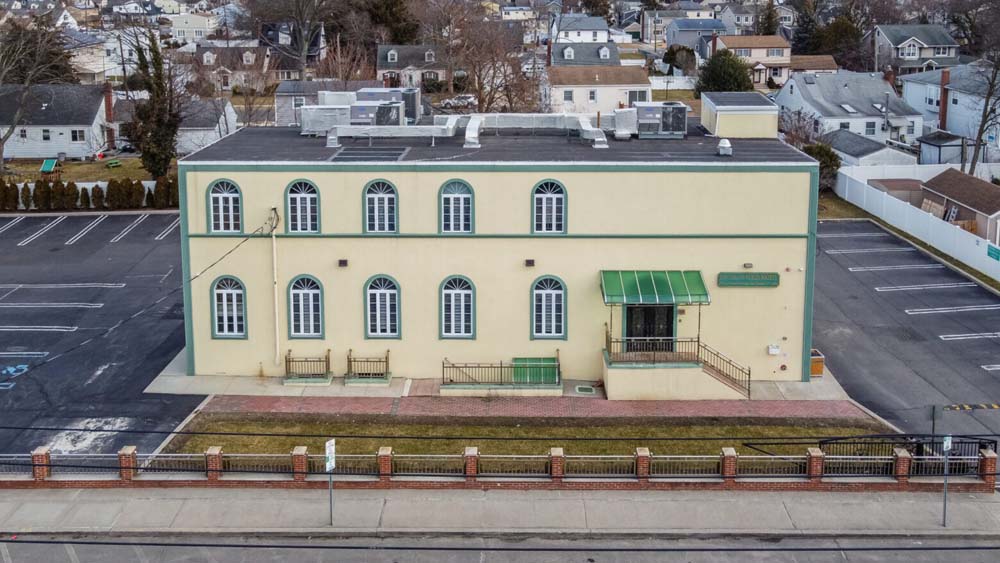
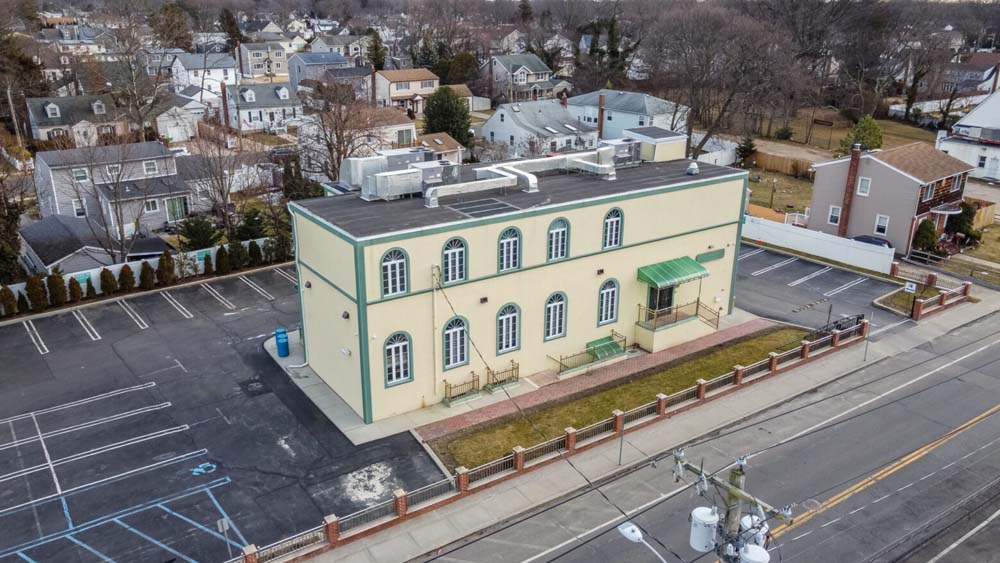
The Long Island Muslim Society (LIMS) is a fully member-supported, not-for- profit 501(C)(3), religious, educational, and charitable organization. It was registered in New York State on August 4, 1989. For historical purposes, it is fair to note that after the liberation of Bangladesh in 1971, there was an influx of Bangladeshi doctors, pharmacists, engineers, educators, etc. who migrated to the United States, many of whom settled in five boroughs of New York City and its suburbs. By the early 1980s, many of these young Muslim professionals had moved to Long Island to buy homes and raise their families. Later, they helped settle their siblings and close relatives who were also migrating to Long Island. These families organized themselves into a vibrant community to uphold their religious traditions, values and norms, rituals, and practice.
They felt a strong need to teach their children how to read the Holy Qur’an in order to direct them on the path of Quranic instruction and teachings of the Prophet Muhammad (peace be upon him). Inspired by Dr. Shamsher Ali, a local Imam and a native of Bangladesh, Lutful Hoque Chowdhury, a young Bangladeshi American pharmacist, gathered a few like-minded Bangladeshi-American professionals and took the initiative to incorporate an organization that would serve their community’s religious and cultural needs. Two of Mr. Chowdhury’s friends, Monir Uddin Ahamed and M. Rafiqul Islam, fellow pharmacists, signed the corporate book with him on August 4, 1989. On November 29, 1991, it was approved as a 501 (C) (3) non-for-profit, tax-exempt religious organization by the government. To provide an official structure for the newly established organization, including a constitution and bylaws, Prof. Abdul Huq convened a committee on April 26, 1990.
The adhoc committee’s aim was to bring more members into the organization. With that goal in mind, the committee held a festive community reunion event after their religious festival Eid-ul-Adha on December 9, 1990, at the Islamic Center of Long Island (ICLI) in Westbury, New York. The founding members introduced the organization to the attendees and explained the need for such an organization: to uphold Islamic practices and traditions which are integral to their daily lives. Emphasis was given to both augment and accelerate the teachings of the religion to the community’s children to enrich their upbringing as Muslim Americans. The audience at this celebration enthusiastically supported the establishment of the organization, and the previously drafted constitution was adopted and put into place. As per the constitution, nominations for the officers were sought. After some discussion, an interim executive committee was approved by the attendees, with Prof. Abdul Huq serving as the first President of the Executive Committee. For Bangladeshi American Muslims living in Long Island and Queens County, the Long Island Muslim Society (LIMS) had been established.
They felt a strong need to teach their children how to read the Holy Qur’an in order to direct them on the path of Quranic instruction and teachings of the Prophet Muhammad (peace be upon him). Inspired by Dr. Shamsher Ali, a local Imam and a native of Bangladesh, Lutful Hoque Chowdhury, a young Bangladeshi American pharmacist, gathered a few like-minded Bangladeshi-American professionals and took the initiative to incorporate an organization that would serve their community’s religious and cultural needs. Two of Mr. Chowdhury’s friends, Monir Uddin Ahamed and M. Rafiqul Islam, fellow pharmacists, signed the corporate book with him on August 4, 1989. On November 29, 1991, it was approved as a 501 (C) (3) non-for-profit, tax-exempt religious organization by the government. To provide an official structure for the newly established organization, including a constitution and bylaws, Prof. Abdul Huq convened a committee on April 26, 1990.
LIMS Logo design history
One particularly important aspect of Long Island Muslim Society’s development is its logo design. The organization is based on the Islamic tenets that all Muslims follow, but its founding was inspired by the need to build a Bangladeshi Muslim community on Long Island, as these immigrants aspired to practice their religion within the traditions of their home country. This desire was not only religious but nationalistic as well, so it was a challenge to incorporate these two aspects into the logo. The newly emergent independent Bangladesh undoubtedly amplified this feeling. The logo approved by the Executive Committee has a green background, which is considered a color of Islam as well as the color of the Bangladesh flag.
The acronym “LIMS” is written in Arabic calligraphy in the center, with the red dot on the letter “I” which simultaneously symbolizes the liberation struggle and sacrifice depicted in the Bangladeshi flag. It also symbolizes the striving to attain the nearness of Allah (swt) considered as Jihad, an Arabic word meaning “internal struggle for achieving righteousness” in Islam. An open book incorporated into the logo embodies the commitment to the pursuit of intellectual enrichment, a foundational principle that remains central to the mission of LIMS. Hamid Reza Khan, a pharmacist and a founding member, is credited with steering the concept of this logo, which endures as the organization’s official symbol.
LIMS Journey details
LIMS began its activities in a rented space on Hempstead Turnpike in Levittown in June 1991. By July, it had begun teaching children about the basic tenets of Islam—how to perform prayers and read the Holy Qur’an. As the organization grew and needed more space, it purchased a house for $110,000 at 475 East Meadow Avenue in East Meadow in December 1993 with the help of donations from members and a personal goodwill loan from businessperson Deen Mohammed, a well- wisher of the organization. The new location immediately became the center of all organizational activities and its permanent address. After moving to the new site, more programs and events were introduced, including adult Qur’anic education, religious discussions and dialogues, and Eid reunions. Dr. Muzibur Rahman, a retired professor and an Islamic scholar, was hired as the Resident Director of the center.
Later, adult Arabic learning, as well as various religious talks and discussions took place under the guidance of another local scholar, Dr. Parthoma. As school enrollments, programs, and events expanded, in July 1999, LIMS bought a second property, a single-family house next to the first house, for $183,000. The purchase was made with the help of local community fundraising and personal loans from a young Bangladeshi American entrepreneur and life member of LIMS, Syed Zaki Hossain. It is worth mentioning that Mr. Hossain has been continuously supporting LIMS financially for its expansions and programs. After the purchase of this property, some members and founders felt the need to establish a masjid as one of the most important services for the growing community as a way to ensure the relevance of the organization in its religious aspirations. After many internal debates, the process of establishing a masjid began.
In 2002, an application was filed with the Town of Hempstead seeking approval to build a masjid. After some deliberations, objections, and obstacles, the organization was able to secure the approval in May 2007. Between the application and the final approval, however, the organization faced tremendous opposition and Islamophobic attitudes from the residents in the area. Although there were churches and synagogues in the immediate vicinity of the proposed masjid, many of the non-Muslims in the area mounted a biased opposition to the proposed new building, voicing unfounded scenarios of potential traffic, parking, and security problems. The temperature of the prevailing situation could be judged by the news report published in Newsday on Friday, November 29, 2002, titled, “Clash Over East Meadow Mosque” with a sub headline that read, “Residents express anti-Muslim feeling.”
In its Long Island section, The New York Times published an elaborate report on Sunday, December 15, 2002, with the headline “Is the Issue Parking or Prejudice?” with the sub headline “Plans for a new mosque stir up East Meadow.” Ultimately, the personal relationships cultivated by the LIMS leadership and management with the Town of Hempstead officials and local politicians made a critical difference. The government representatives realized the importance of the emergent Bangladeshi Muslim community in their electoral district, and they appreciated the constitutional rights of lawful immigrants and citizens to freely practice their religion. In this respect, it is fair to mention that Mohammed Saleh, a prominent Bangladeshi pharmacist who was well known in the County power circle, played a key role. It is worthwhile to add that during Mohammed Saleh’s tenure as President and later as chair of Board of Trustees, LIMS went through remarkable growth and advancement.
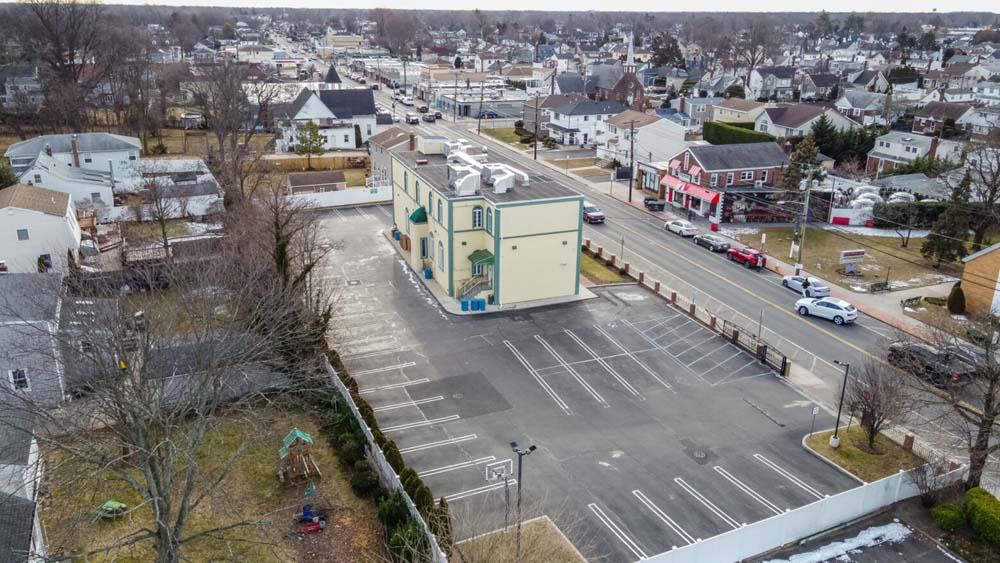
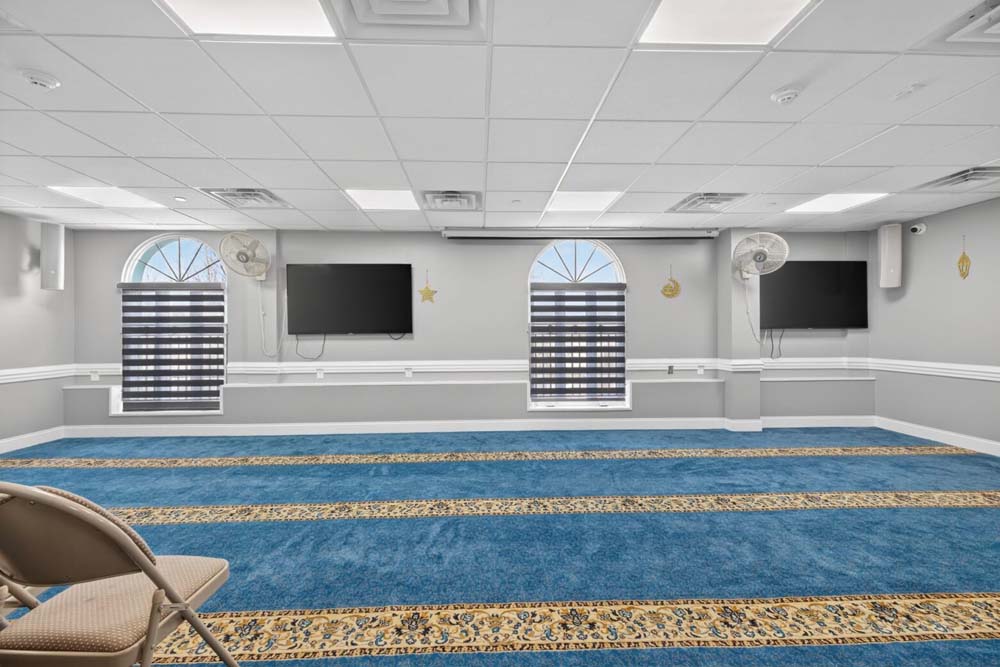
In December 2007, construction of the masjid designed by architect Nicholas Varlotta began. In the beginning, the LIMS community only had $50,000 for the project. However, within a year, the community was able to raise about $1.2 million. This effort could not have been possible without the generous donations made by individuals who supported the vision and mission of LIMS. It is also important to recognize the cooperation of the Islamic Center of Long Island (ICLI) that allowed LIMS to use their premises for LIMS weekend Islamic school during the construction period (2007-2009). In early 2009, the construction was completed, a Certificate of Occupancy (CO) was obtained from the town, and the opening was inaugurated by the Supervisor of the Town of Hempstead. The door of the masjid was opened to the public for prayers and other religious services and education. In the same year, Hafiz Luqman Elahi led the first Khatme Tarawih (special night prayers) in the month of Ramadan.
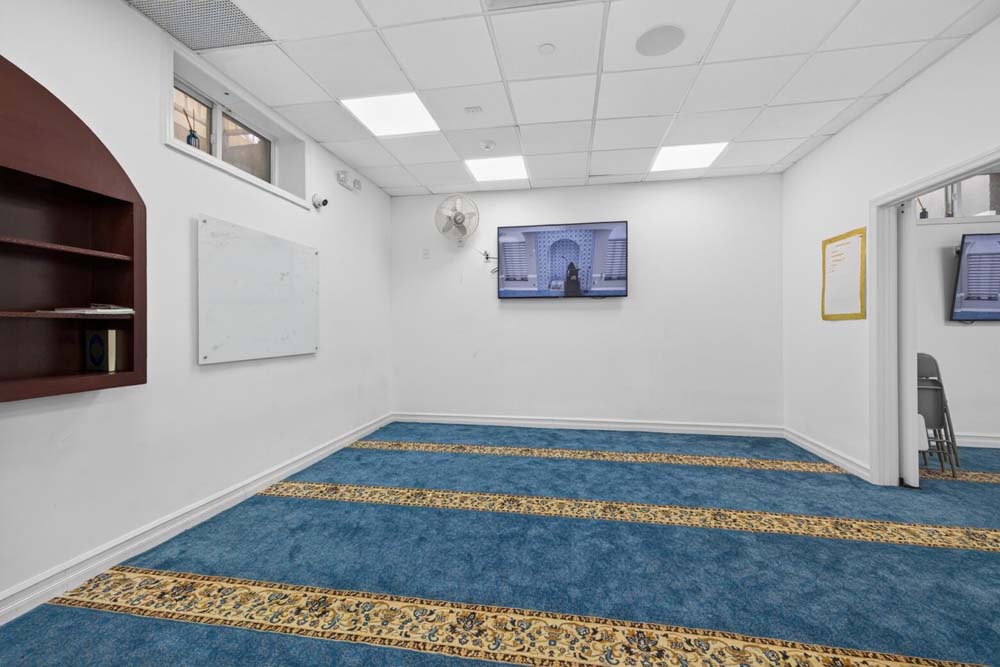
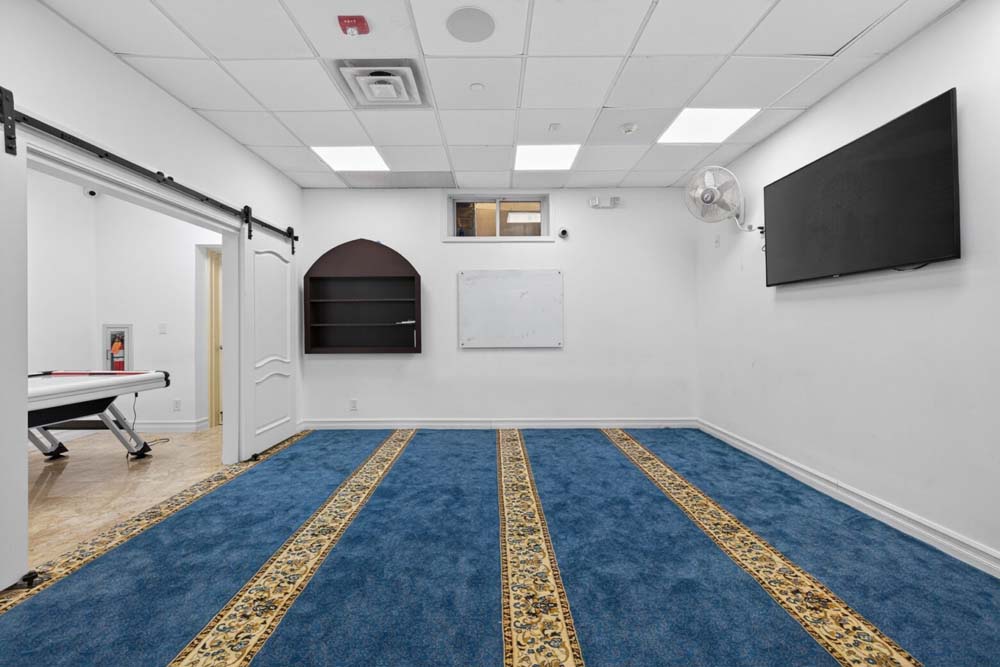
The first Eidul Fitr prayer was also held in the same year on the masjid premises. Imam Magde Ali, an Egyptian immigrant, was assigned temporarily to lead daily prayers. In June 2010, Hafiz Ahmadullah Kamal, a Bangladeshi American, was appointed as the first full time Imam and Khatib of the newly built LIMS masjid to hold five-time obligatory prayers and other religious practices and festivities. In 2011, in collaboration with local interfaith organizations, churches, and synagogues, LIMS hosted the 10th Anniversary Commemoration of the tragic 9/11 event. The Supervisor of Town of Hempstead, the Honorable Kate Murray, was the chief guest. Within two years, due to the growing need for additional parking, LIMS bought its third property. This property, next to the masjid, cost $220,000, and was transformed into a paved parking lot that satisfied the county’s zoning regulations as well as increased the masjid’s occupancy.
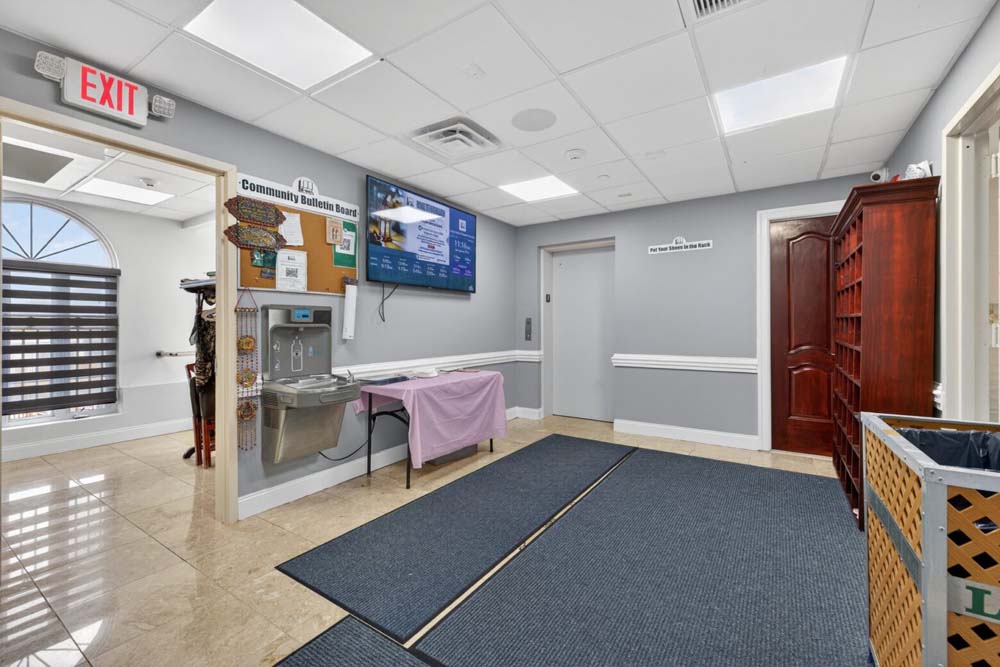
Then, in 2012, LIMS took the initiative to purchase its first graveyard plots in bulk from Washington Memorial Cemetery in Mount Sinai, NY. That purchase was completed in 2015, and LIMS handed over allotment letters to those members who had purchased plots. To keep up with the growing demand for space, in February 2019, the second- floor construction plan was approved, and—after some resistance from local non-Muslims residents—necessary permits were obtained from the Town of Hempstead. Also in 2019, LIMS updated its website (which had been originally launched in 2004) and integrated an online web-based donation platform MOHID serviced by Deentek Solutions to facilitate better communication and connection with the community and create opportunities for online donations. Amidst the COVID-19 pandemic, construction was completed, and the Certificate of Occupancy was issued by the Town of Hempstead in March 2021. The cost of the construction was approximately $1.3M, which was secured from local and virtual fundraising via a subscribed ZOOM meeting platform during the holy months of Ramadan in 2019 and 2020.
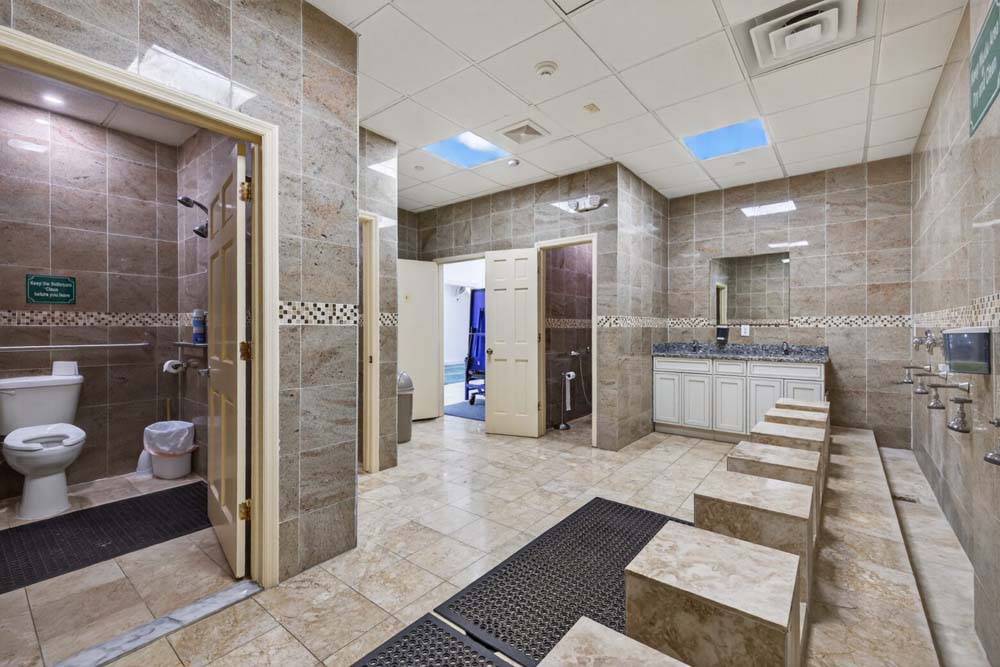
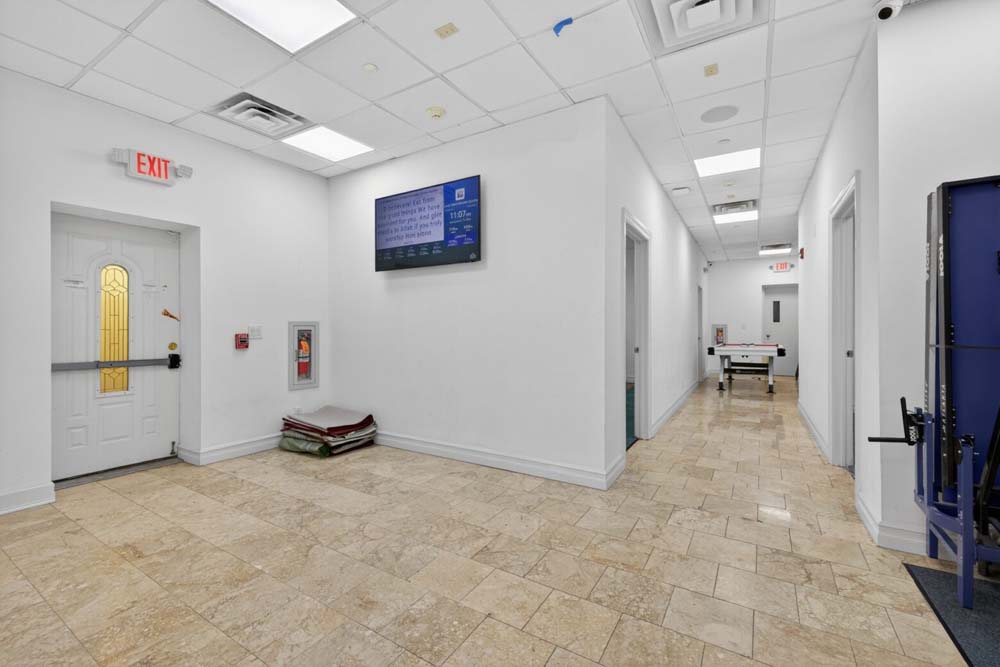
LIMS masjid was closed for some time for daily prayers but later resumed normal operations as per local, state, and federal guidelines. During the closed period, LIMS continued its activities: Islamic and health education, talks and seminars, weekend Islamic school, LIVE streaming of Quran recitation, Friday sermons (Khutbah) via ZOOM, a dedicated YouTube channel, and its own Facebook page—all which helped LIMS to stay connected with its community. After the COVID-19 pandemic situation improved, the second floor was opened for use by the female congregants. It is to be noted that although the Long Island Muslim Society was founded and run by the Bangladeshi American Muslims, the masjid continues to draw the support of many Muslims of other ethnic groups from India, Pakistan, Afghanistan, the West Indies, Guyana, the Middle East, and African and other Caribbean countries, who were inspired to settle in the neighborhoods close to LIMS. These families in turn helped build a growing LIMS community which propelled LIMS to promote a sense of community through initiatives designed to encourage engagement, under the motto “Stay Connected with LIMS and Build a community.” This initiative is instrumental in sustaining the vibrancy and growth of LIMS, reinforcing its role as a cornerstone for worship, community engagement, and unity.
In 2023, LIMS took another initiative and purchased its second graveyard plots in bulk from Restland Memorial Park Cemetery, in East Hanover, New Jersey. By November 2024, it completed the handover of all allotment letters to members who had purchased those plots. In June 2024, LIMS appointed a Resident Islamic Scholar, Hafiz Akmal Sakhi, to develop and promote youth halaqa programs in addition to expanding monthly educational programs. He was also responsible for creating and publishing an Islamic lecture series through LIMS’ social media channels via YouTube and Facebook. Hafiz Akmal Sakhi is currently serving as a full-time Imam after the resignation of Imam Ahmadullah Kamal. During this journey of the Long Island Muslim Society, many members of the community, whether they had official capacities or not, contributed enormously to the success of this organization. Many of them generously opened their wallets, ensured their physical presence when needed, lent their intellectual capabilities when called for, and above all, engaged emotionally with the progress and well-being of the organization.
One such person, Mohammed Rafiqur Rahman, needs to be mentioned as one of the very passionate leaders who was noteworthy in all the activities of LIMS. He rendered tireless efforts to find additional spaces and engaged in negotiations for the expansion of the organizational infrastructure during his tenure as President and Chair of Board of Trustees. Brother Enamul Malik, a pharmacist and entrepreneur in the pharmaceutical industry, donated a handsomely towards the construction of the mosque building. The Long Island Muslim Society broke stereotypical traditions of male dominance in the Islamic organizational structure. LIMS elected Sister Afroza Huq and Sister Rahat Hossain as President and Chair of the Board of Trustees respectively. During their respective tenures, both leaders proved to be organizational champions in their official capacities, especially in bringing in more female members and ensuring more female participation in LIMS activities.
Through her association with the County officials and other local Muslim organizations, Sister Rahat Hossain helped bring LIMS to the forefront of socio-religious organization in the region. One of the important goals of LIMS was to teach children the Holy Qur’an and Islamic practices. Sister Shaheen Rab was at the helm of the weekend school and ran it successfully. Dr. Muhammad Amzad Hossain, a three-time President of LIMS, was very much instrumental in the evolution and progression of the organization and left an indelible mark on its successful journey. Brother Mohammed Abdur Rab was obliged to take over the presidency in a special circumstance in July 2011. He initiated the process of purchasing 140 plots at Washington Memorial cemetery in Mt. Sinai, Long Island. Professor Hussain Ahmad, whose tenure as President ended in December 2024, steered the organization through a very challenging time. He has been credited with introducing innovative ideas during the Covid-19 pandemic so that organizational activities like fundraising, disseminating religious sermons and lectures, health information, etc. could continue, allowing the mosque and organization as a whole to remain open virtually, if not physically.
LIMS Programs, Activities & Services
Over time, as membership expanded and structural facilities were added, the organization gradually introduced more religious, social, and humanitarian programs through its volunteers, management, and various committees. LIMS organized many day-long seminars and invited renowned scholars to deliver lectures on diverse topics such as Women in Islam, Co-existence of People of Abrahamic Faith, Contemporary Living in Islam, and Parenting in Islam to name a few. Other programs include:
● Daily five times and Friday Jummah prayer services
● Qur’anic education for the children through Weekend School
● After school Maqtab program for children
● Adult Islamic learning based on Qur’an and Hadith
● Youth Halaqah
● Sisters program on contemporary issues
● Privately funded Bangla school for children
● Monthly program on social, religious, and contemporary subjects
● Tafsir nights (translation and explanations of Quranic verses)
● Annual Islamic seminars
● Interfaith seminars
● Youth seminars
● Hosting and taking part in Interfaith dialogue and events in partnering with local churches and synagogues
● Distribution of school supplies to local disadvantaged students
● Food and Winter Clothing Drive for disadvantaged people in the area
● Raising of funds to help victims of natural disasters in the US and abroad
● Sponsorship of orphans around the world, water-well projects in African countries, and women empowerment in Bangladesh through various not- forprofit organizations
● Blood donation drive in collaboration with Long Island Blood Center
● Purchase of graveyard plots for members
● Creating awareness for voting and democratic rights
● Ramadan celebrations
● Mehendi Night before Eid
● Hosting Eid Prayers
● Eid Reunion
● Eid Bazaar
● Annual Picnic for LIMS members and community
LIMS Security & Safety Initiatives
After the tragic events of September 11, 2001, anti-Muslim hate crimes and vandalism increased significantly in the US. Due to this rise in Islamophobia, it became critically important to keep the congregants safe while they were praying inside the masjid premises. It was also essential to protect the expanded establishments. Therefore, during Friday congregational prayers and nightly prayers in Ramadan and during Weekend School hours, LIMS engaged private security guards to thwart any possible violence. 24/7 video surveillance and security cameras were installed and upgraded, both inside and outside the premises. Additional lamp posts were also installed for more lighting on the premises in 2024.